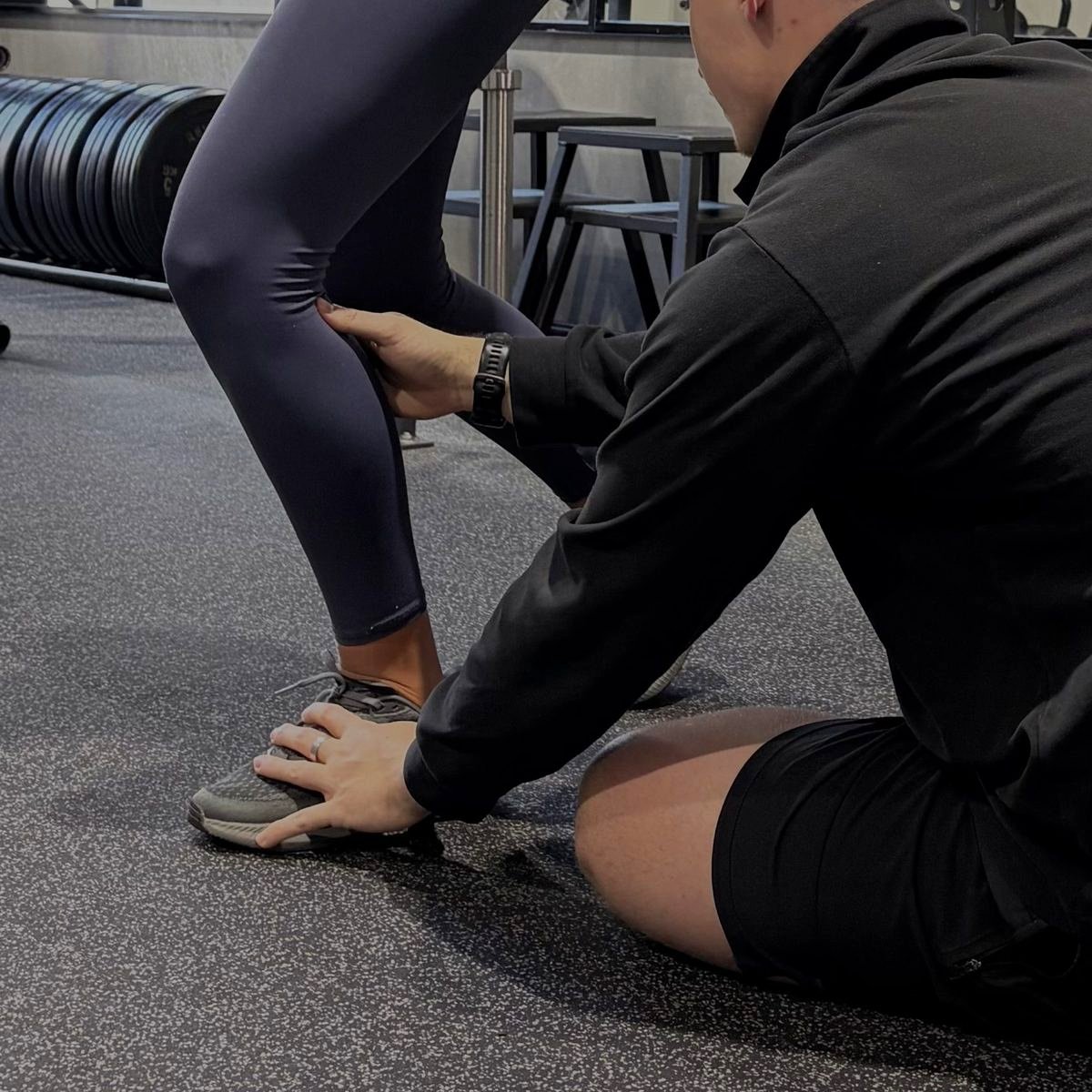
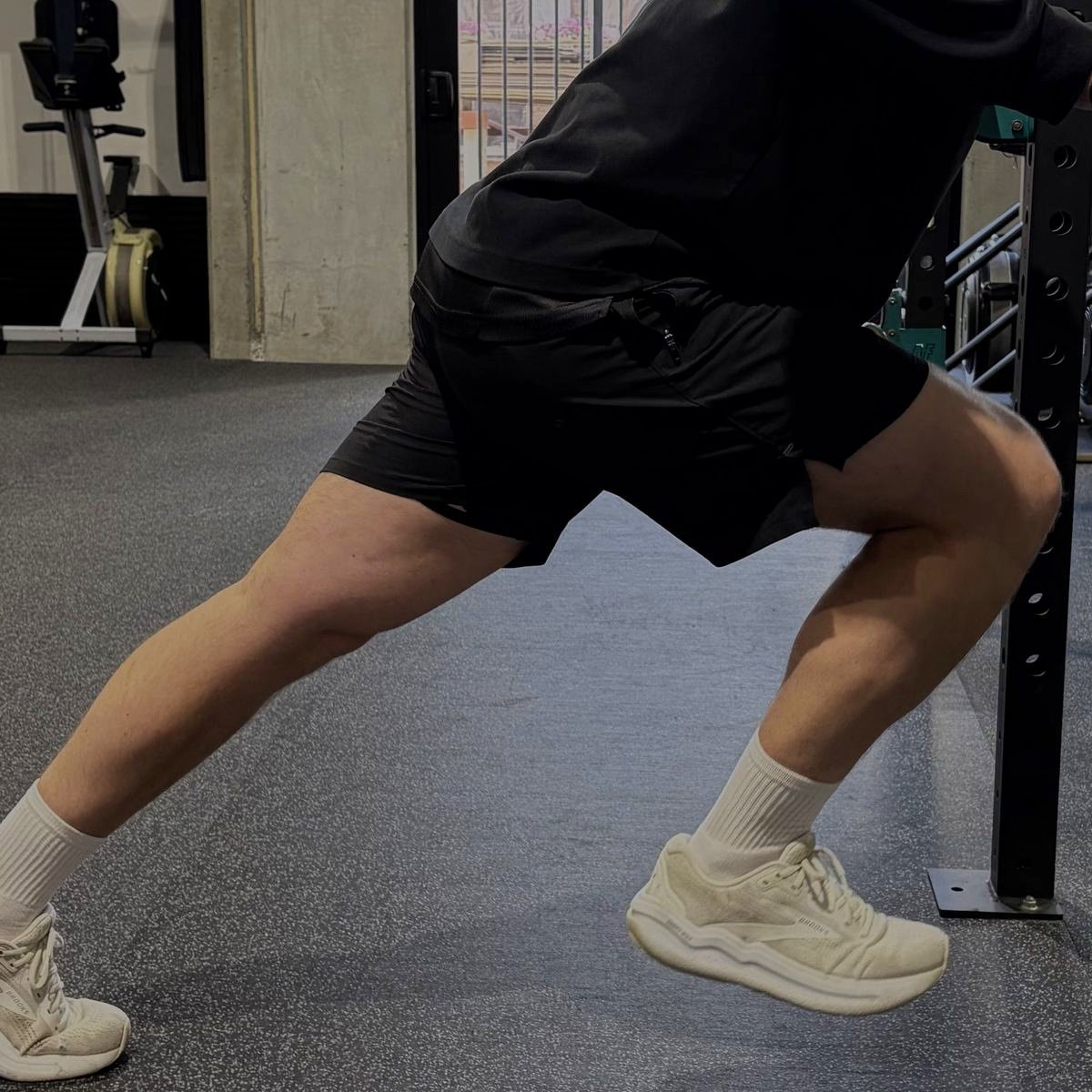
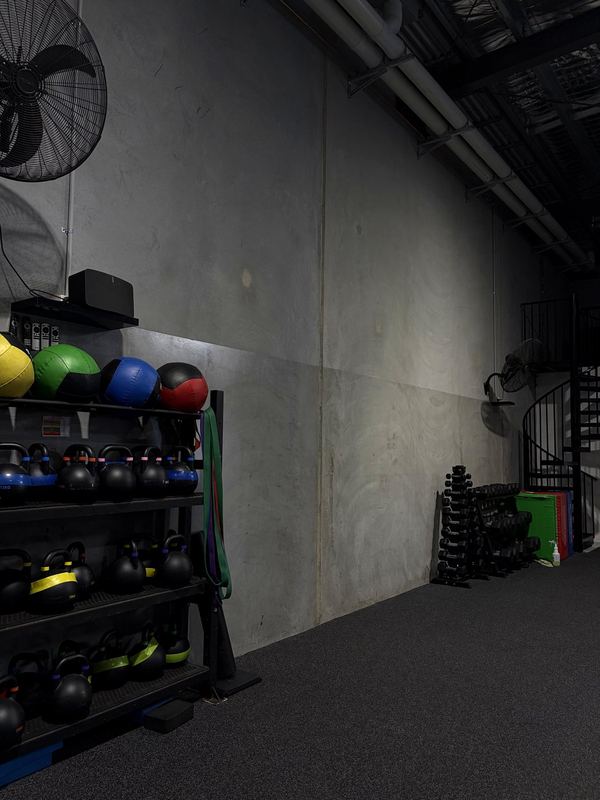
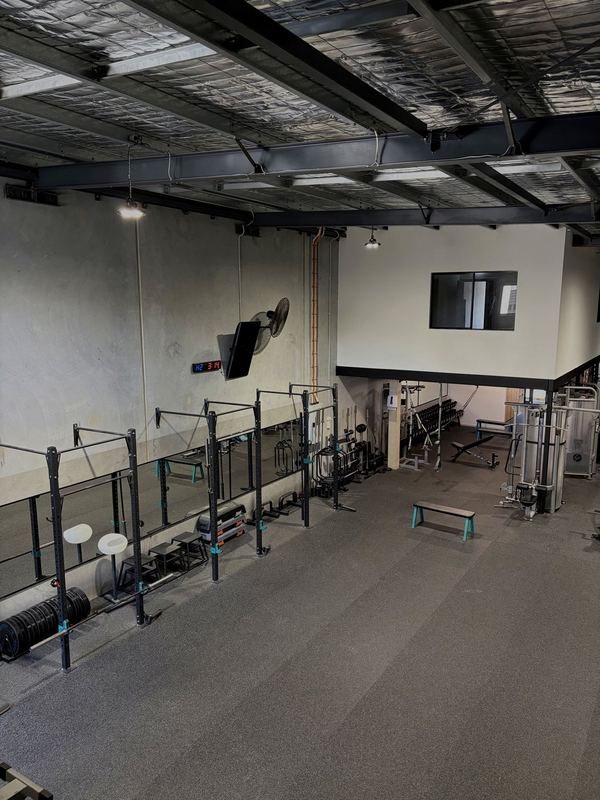
At MEO, every plan is built from three disciplines: Physiotherapy, Exercise Physiology, and Sports Science. Not because it sounds impressive. Because each one answers a different question.
Physiotherapy helps find the source, severity and symptom profile. Exercise Physiology helps rebuild the capacity. Sports Science makes sure the transition from rehab to performance is seamless. The goal isn't to just return, it's to return better than you left. And every plan is made to match what your training actually demands from your body, no matter the stage you're at.
Most people think they need to pick one. MEO uses all three. Broad view, narrow focus.
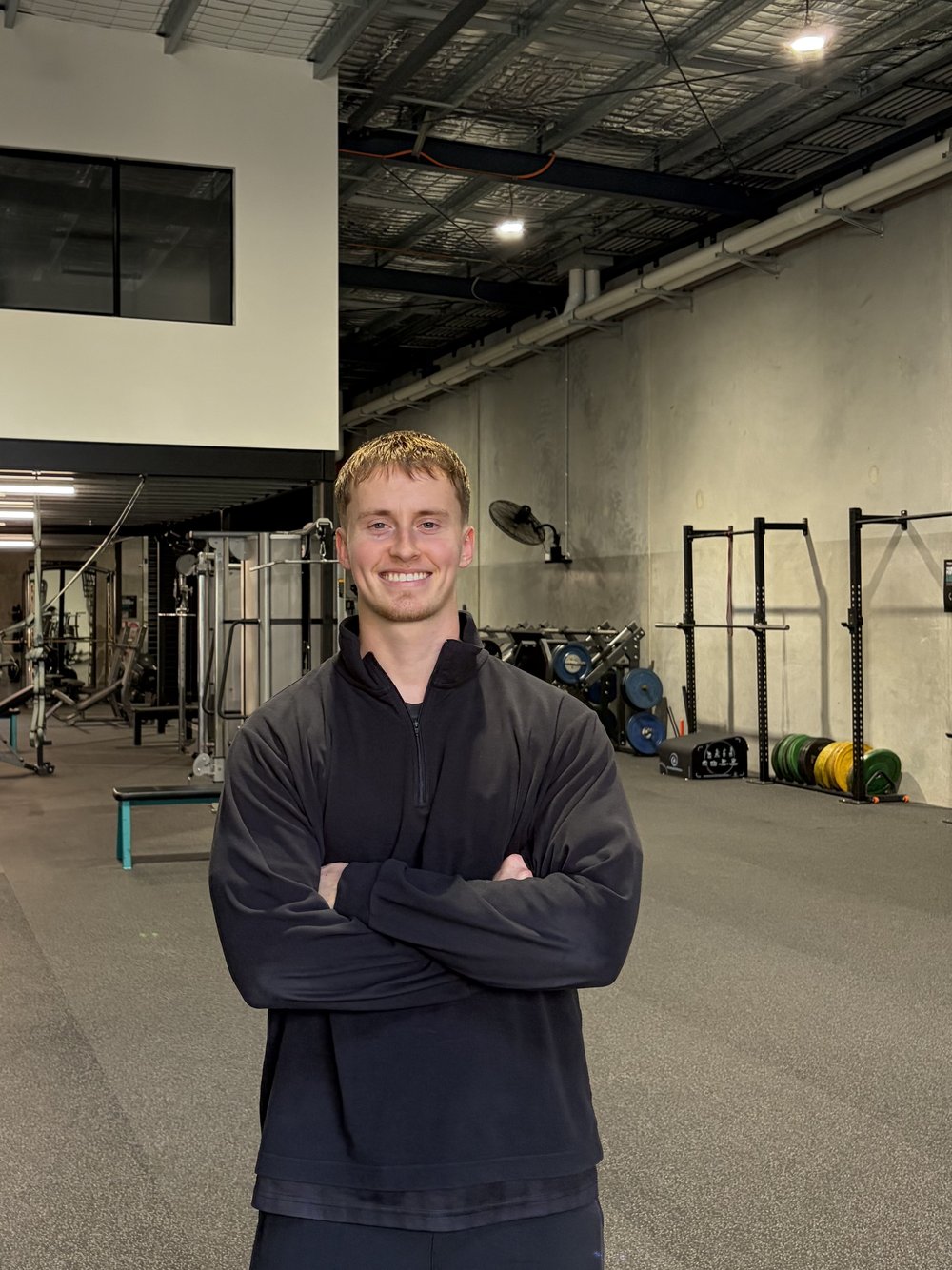
Mitch holds a Master of Physiotherapy Studies from the University of Queensland, and a Bachelor of Clinical Exercise Physiology (1st Class Honours) with a background in Exercise & Sports Science. That combination is what lets a session move past "does it still hurt?" into "can your body actually handle what you're asking of it?". That is the real question that actually determines whether you flare up again.